Every conservancy fee paid on a Kenyan safari does more than grant access to land — in well-run conservancies like Lewa, that revenue directly funds anti-poaching ranger salaries, community schools, and land-lease payments to the Maasai and Samburu landowners who chose conservation over agriculture or development.
This model matters because it aligns incentives: when wildlife tourism reliably outperforms alternative land uses, communities have a direct financial reason to protect habitat and wildlife corridors rather than fence and farm them.
Ericko Wildquest Safaris works exclusively with camps and conservancies that publish clear community revenue-sharing figures, and we prioritise itineraries that route guests through conservancy land alongside national parks and reserves — both because the game viewing tends to be exceptional, and because your visit funds the system directly.
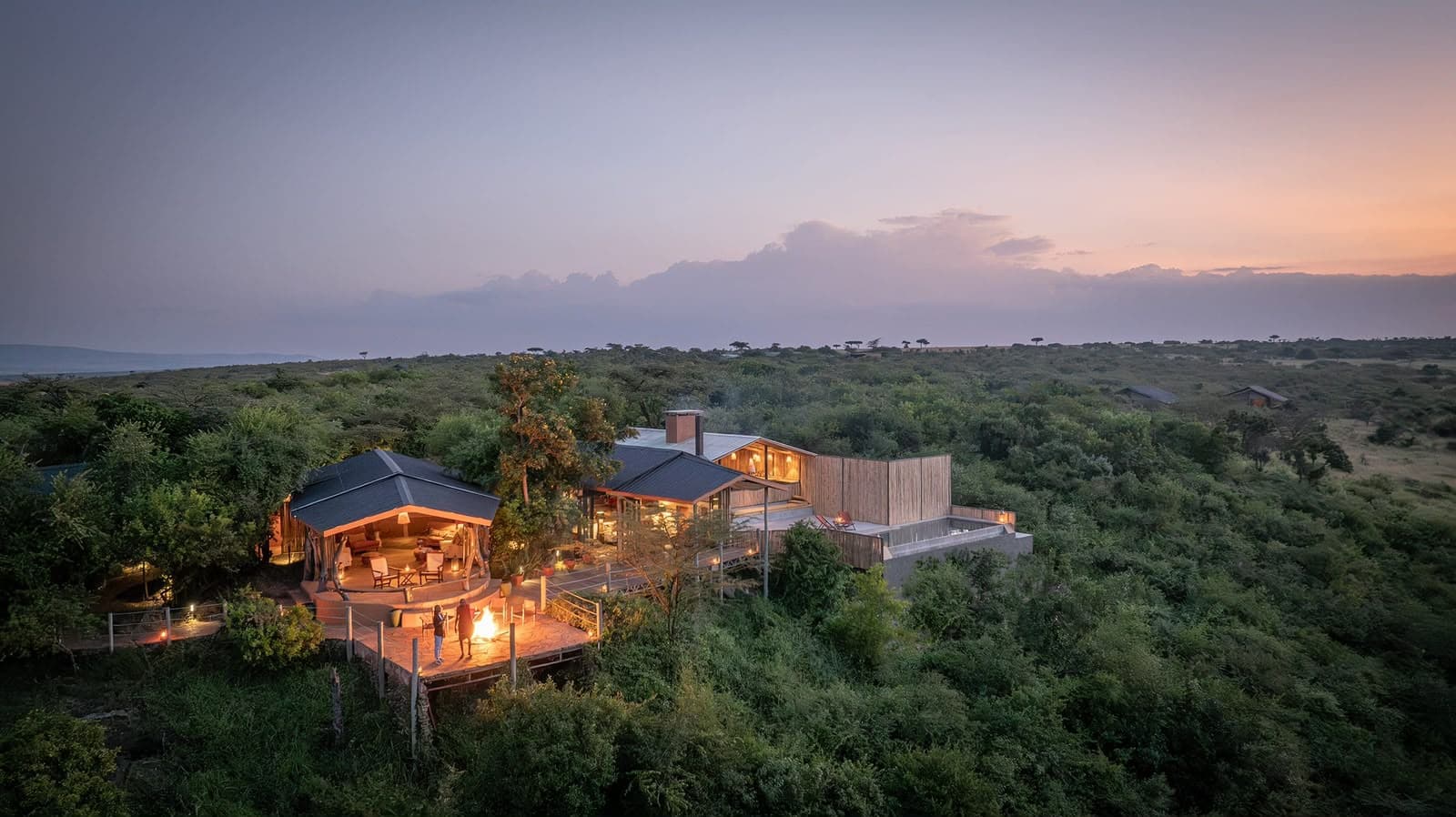
We also cap group sizes across our itineraries and favour low-density camps, which reduces environmental impact on fragile habitats while genuinely improving the guest experience — a rare case where sustainability and quality point the same direction.
If you'd like your safari to prioritise conservancy-based conservation specifically, tell us when you enquire — we can weight your itinerary toward destinations like Lewa and Samburu accordingly.